Deciding between new and pre-owned powersports is one of the biggest questions buyers face before they ever sit down at the finance desk. Both paths make sense depending on your budget, how you plan to use the vehicle, and how much risk you’re comfortable with. This guide breaks down the real trade-offs of new vs pre-owned powersports so you can make a decision that fits your riding style and your wallet — not just the sticker price.
Whether you’re shopping for an ATV, a motorcycle, a UTV, or even a boat, the new-versus-used decision comes down to a handful of practical factors: cost, warranty coverage, depreciation, and how quickly you want to be riding.
New vs Pre-Owned Powersports: What’s the Real Difference?
Buying new means you get the latest technology, a full factory warranty, and a vehicle with zero wear history. Buying pre-owned means a lower upfront cost, often a lower monthly payment, and someone else has already absorbed the steepest depreciation hit. Neither option is universally “better” — it depends on what you value most: predictability and peace of mind, or affordability and value.
Powersports vehicles also depreciate differently than cars. ATVs and UTVs used primarily for work or trail riding tend to hold value well if properly maintained, while motorcycles can vary widely based on brand, mileage, and condition. Understanding this upfront helps set realistic expectations either way.
Pros of Buying New Powersports Vehicles
New vehicles come with the full manufacturer warranty, the newest safety and performance features, and financing offers that are often more competitive — including promotional rates during seasonal sales events. You also avoid any guesswork about how a previous owner treated the machine, since you’re the first and only owner from day one.
The trade-off is cost. New vehicles carry a higher price tag and depreciate the fastest in the first one to two years of ownership. If you want the latest model year with zero history and full protection, browsing the current new inventory is the best starting point to compare pricing across brands.
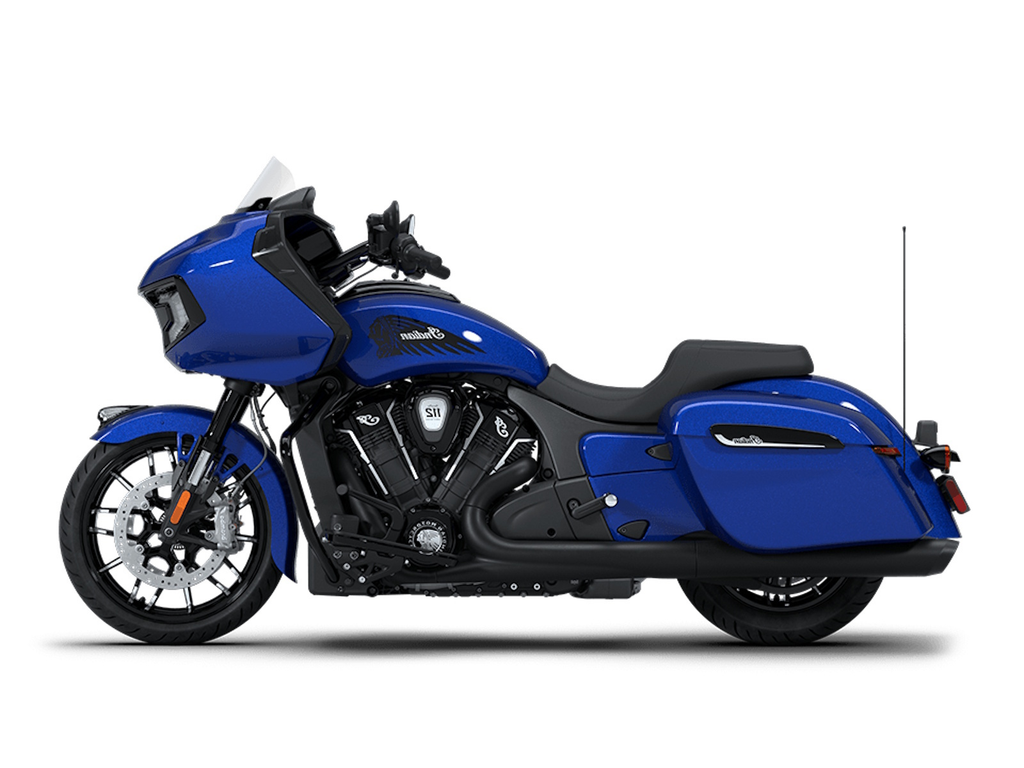
Pros of Buying Pre-Owned Powersports Vehicles
The biggest advantage of pre-owned is price. A well-maintained used ATV, motorcycle, UTV, or boat can cost significantly less than a comparable new model, often with only a few years of use on it. That lower price point can also mean a smaller loan, a shorter payoff timeline, or room in your budget for accessories and gear.
The trade-off is variability — condition, maintenance history, and remaining warranty coverage differ from one used vehicle to the next, so more due diligence is required before you buy. That’s exactly why working with a dealership that inspects and services its pre-owned inventory matters more than buying privately.
Used ATV for Sale in Idaho: What to Look For
When shopping for a used ATV for sale in Idaho, focus on a few key things: engine hours or mileage, tire and suspension wear, evidence of regular oil changes, and whether it’s been used primarily for trail riding versus heavy-duty work or hunting. ATVs that have spent time in mud, snow, or rocky terrain show wear differently than ones used mostly on groomed trails, so a physical inspection (or a dealership pre-inspection) is worth the extra step.
Buying through a dealership rather than a private seller also typically means the ATV has already been checked over mechanically before it’s listed. You can browse current listings in the used ATV inventory to compare models, hours, and pricing side by side.
Pre-Owned Motorcycle in Lewiston: Buying Tips
Shopping for a pre-owned motorcycle in Lewiston comes with its own checklist: tire tread depth, chain and sprocket wear, brake pad thickness, and whether the bike has any signs of drop damage like scuffed bar ends or fairings. It’s also worth asking for service records, since a motorcycle that’s had regular valve checks and fluid changes is a safer long-term bet than one with an unclear maintenance history.
Mileage matters less than overall condition and how the bike was stored and ridden. A well-cared-for bike with higher mileage can be a better buy than a low-mileage bike that sat outside uncovered for years. You can compare available options in the pre-owned motorcycle inventory before scheduling a test ride.
Certified Used UTV: Why Certification Matters
A certified used UTV typically goes through a multi-point inspection before it’s put up for sale, covering the engine, drivetrain, brakes, electrical system, and suspension. That certification process is one of the clearest advantages of buying through a dealership instead of a private listing, since it shifts the burden of catching mechanical issues from the buyer to the seller.
Certified pre-owned UTVs may also come with a limited warranty or service guarantee, which adds a layer of protection that private-party used sales simply can’t offer. If you’re weighing a used UTV purchase, it’s worth reviewing what’s currently certified and available in the pre-owned UTV inventory.
Buying a Used Side-by-Side: Inspection Checklist
Beyond certification, there are a few things worth checking yourself when buying a used side-by-side: how the doors and latches operate, whether the winch (if equipped) functions properly, the condition of the CV boots and skid plates, and whether the machine has been modified in ways that could affect reliability or resale value.
It’s also smart to ask directly about prior accidents, rollover history, or flood damage — reputable sellers will disclose this, and a dealership’s inspection process should catch most red flags before the vehicle is ever listed for sale.
Pre-Owned Boat Deals: What to Check Before You Buy
Boats depreciate differently than land-based powersports vehicles, which often makes pre-owned boat deals especially attractive for buyers who want a lower entry cost without sacrificing much in performance or features. When evaluating a used boat, pay close attention to hull condition, engine hours, trailer condition, and whether the boat has been stored in water or on a lift, since that affects long-term wear.
A pre-purchase inspection — including a compression test on the engine — is standard practice and well worth the cost before finalizing a used boat purchase. You can browse current listings in the pre-owned boat inventory to compare models and pricing.
Trade-Ins and Value: How to Offset Cost Either Way
Whether you land on new or pre-owned, a trade-in can meaningfully change the math. Trading in your current ATV, motorcycle, UTV, or boat reduces what you need to finance and simplifies the transaction compared to selling privately, since the trade value applies directly at the point of sale.
This is worth considering regardless of which direction you go — a strong trade-in value can make a new vehicle more affordable, or it can reduce a used vehicle’s loan amount even further. It only takes a few minutes to value your trade before you start comparing new and pre-owned options side by side.
How to Decide: New vs Pre-Owned
There’s no universally right answer — the decision comes down to a few honest questions:
- How long do you plan to keep the vehicle? Longer ownership tends to favor new, since depreciation matters less over time.
- How important is warranty coverage to you? If peace of mind matters most, new (or certified pre-owned) is the safer bet.
- What’s your budget ceiling? If a lower monthly payment matters more than having the newest model, pre-owned is usually the stronger choice.
- How much do you know about mechanical inspection? If you’re not confident evaluating a used vehicle yourself, buying certified pre-owned through a dealership reduces that risk significantly.
FAQ: New vs Pre-Owned Powersports Questions Answered
Is it cheaper to buy a new or used ATV, motorcycle, or UTV?
Pre-owned vehicles are almost always cheaper upfront, though the total savings depend on the vehicle’s age, condition, and how much of its depreciation has already occurred.
Do pre-owned powersports vehicles come with a warranty?
Some do, especially certified pre-owned vehicles sold through a dealership. Private-party sales typically don’t include any warranty coverage.
How many miles or hours is too many for a used powersports vehicle?
There’s no universal cutoff — maintenance history and how the vehicle was used and stored matter more than the raw mileage or hour count.
Is buying a used side-by-side or UTV riskier than buying new?
It carries more variability, but that risk is significantly reduced when buying a certified pre-owned unit that’s been professionally inspected.
Can I finance a pre-owned powersports vehicle the same way as new?
Yes, most lenders finance both new and pre-owned powersports vehicles, though interest rates on used models are often slightly higher.
Are pre-owned boats a good value compared to new boats?
Often, yes — boats can offer strong value used since the steepest depreciation typically happens in the first few years of ownership.