
If you’ve ever stood at a trailhead somewhere near the St. Joe National Forest, staring up at a ridgeline that seems to fold into itself forever, you already understand why so many riders end up chasing this state. Idaho isn’t a place you casually ride through. It’s a place that tests your bike, your lungs, and occasionally your patience with rocky switchbacks that seem designed by someone with a grudge. So when people ask us what the best dirt bikes trail riding Idaho has to offer actually are, we don’t give a one-line answer, because there isn’t one. The right bike depends on where you’re headed, how experienced you are, and whether you’re chasing single-track thrills or a long, slow exploration of forest service roads that stretch toward the horizon.
This guide walks through what actually matters when picking a trail bike for Idaho’s backcountry, which models consistently earn their keep out here, and how to think about the decision instead of just chasing a spec sheet. We’ll also touch on where to ride, what the terrain throws at you, and a few practical details that riders wish someone had told them before their first season.
What Makes Idaho’s Backcountry Different From Other Trail Riding States
Idaho doesn’t play by the same rules as, say, the sandy washes of the desert Southwest or the groomed motocross tracks a lot of riders cut their teeth on. The terrain shifts dramatically depending on where you are in the state, and that variety is exactly why choosing the right bike matters so much.
Up in the Panhandle, near Coeur d’Alene, trails like the Canfield Mountain system wind through dense timber with tight, technical single-track that rewards a light, nimble bike more than raw horsepower. Head toward the Clearwater or Nez Perce National Forest and you’ll find rocky, root-laced climbs that punish weak suspension and reward a bike with strong low-end torque. Then there’s the high desert terrain around the Owyhee Front in the southwest, where loose, rocky two-track and sand washes call for a completely different setup than the alpine forest trails up north.
Elevation is another factor a lot of out-of-state riders underestimate. You can start a ride at 2,500 feet along the Clearwater River and be pushing past 6,000 feet within an hour, which affects jetting, throttle response, and how hard your engine has to work to make the same power. A bike that runs beautifully at sea level can feel noticeably flat once you’re deep into Idaho’s higher backcountry routes.
All of this is why we tell riders at Guy’s Outdoor that picking a trail bike for Idaho isn’t about finding the most powerful machine on the showroom floor. It’s about matching the bike to the actual conditions you’ll be riding in most often.
Key Factors to Consider Before Choosing a Trail Bike
Before we get into specific models, it’s worth slowing down and thinking through the practical side of this decision. A lot of riders buy based on horsepower numbers or brand loyalty and end up with a bike that fights them on every ride.
Weight and handling. Idaho’s tighter forest trails, especially in the Panhandle, punish heavy bikes. You’re constantly picking lines through roots, rocks, and off-camber turns, and a lighter chassis lets you correct mid-turn instead of committing early and hoping for the best.
Suspension travel and setup. Rocky, technical terrain demands suspension that can absorb square-edge hits without kicking back at you. This is one area where cheaper bikes tend to show their limits fastest, so it’s worth test riding before committing.
Street-legal capability. A growing number of Idaho riders want a bike that can legally connect trail systems by riding a stretch of forest service road or even a short paved section between trailheads. This is where dual sport Idaho trails riding really shines, since a plated bike opens up route options a pure off-road machine simply can’t access.
Engine displacement versus rider skill. Bigger isn’t always better, especially for riders still building technical skill. A 501cc four-stroke can be genuinely intimidating on a steep, loose climb if you haven’t built the throttle control to match it.
Fuel range. Idaho’s backcountry can put serious distance between gas stations. If your rides regularly stretch past 60 or 70 miles into remote forest, tank size becomes a real planning consideration, not an afterthought.
Top Dirt Bike Categories for Idaho Trail Riding
Full-Size Enduro Bikes for Serious Backcountry Riders
For riders who want maximum capability on technical, remote terrain, a competition-derived enduro bike is usually the right call. These machines are built specifically for the kind of demanding, unpredictable trail conditions you’ll find throughout Idaho’s national forests.
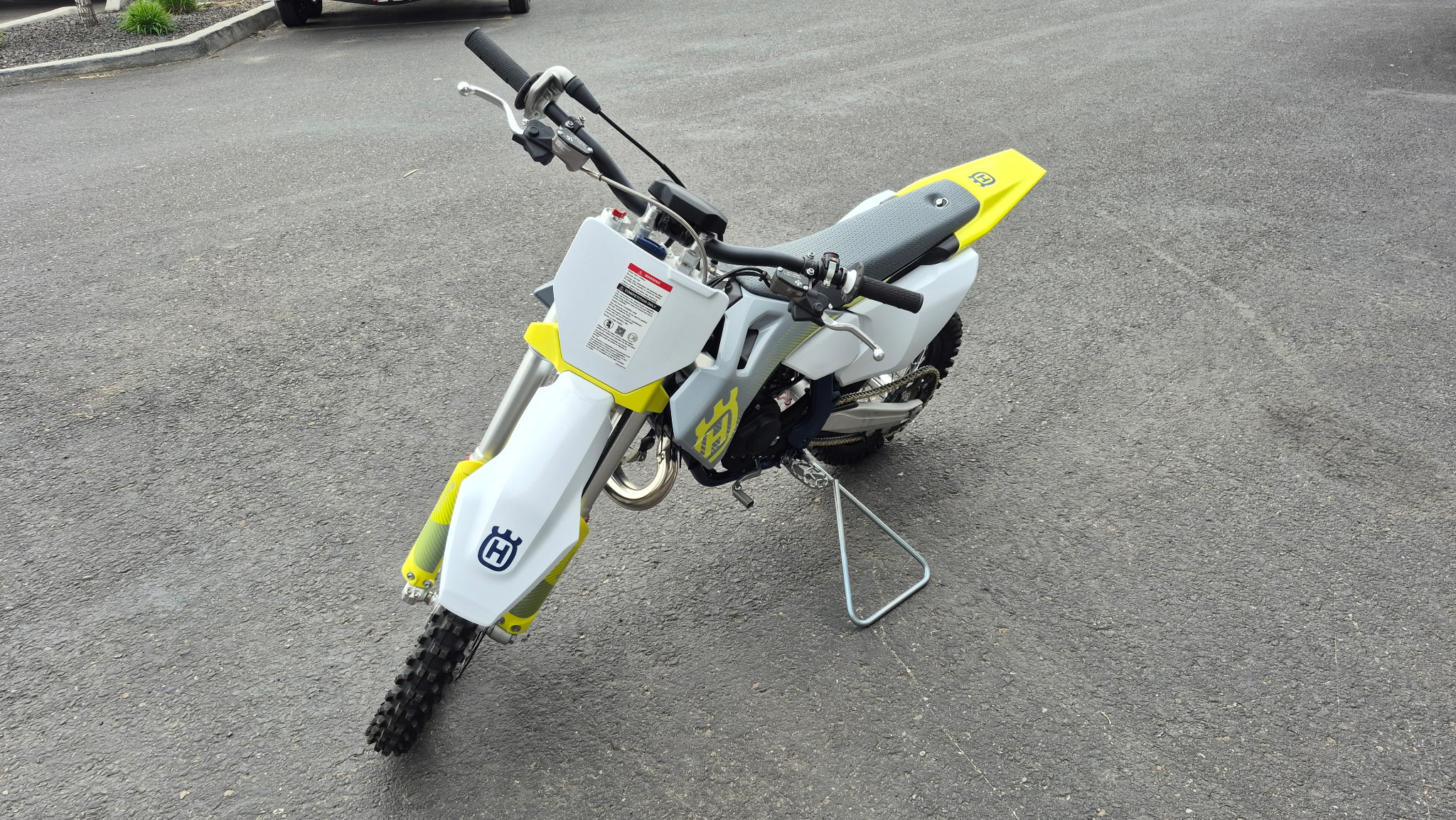
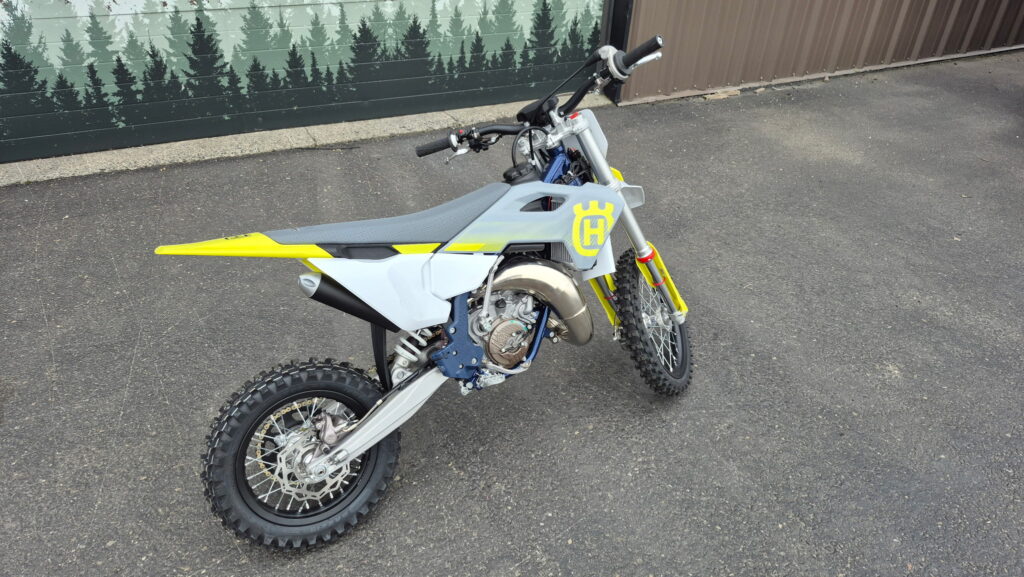
The Husqvarna FE 501 is a name that comes up constantly among experienced Idaho riders, and for good reason. It’s built around a 511cc single-cylinder four-stroke engine that produces somewhere in the neighborhood of 60-plus horsepower, positioning it as one of the most powerful machines in Husqvarna’s enduro lineup. What makes it particularly well-suited to Idaho’s mixed terrain is the balance between that power output and a chassis engineered to stay composed on technical climbs. The WP suspension setup is tuned to handle square-edge hits and rocky, unpredictable surfaces without beating up the rider, which matters a lot when you’re several hours deep into a ride near the Selway-Bitterroot country and your arms are already tired.
Riders considering a dual sport version of this platform get the added benefit of street registration, meaning you can legally link trail systems by riding connector roads, which is a genuinely useful feature in a state where trailheads aren’t always conveniently clustered together.
The trade-off is that a bike this capable isn’t the friendliest starting point for a beginner. The power delivery, while adjustable through onboard electronics on newer models, still requires a rider who’s comfortable managing torque on loose or steep ground.
Mid-Displacement and Budget-Friendly Trail Bikes
Not everyone needs, or wants, a race-bred enduro machine to enjoy Idaho’s trail systems. This is where brands producing more accessible, budget-conscious machines have carved out a real niche, especially for newer riders or those looking for a reliable second bike for casual weekend rides.
Kayo dirt bikes have become a popular option for riders who want a functional, capable off-road machine without the price tag of a European enduro bike. The lineup includes models ranging from smaller trail-friendly options up through mid-displacement bikes with inverted forks, disc brakes, and manual transmissions built for riders who’ve outgrown entry-level equipment but aren’t ready to jump into full-size enduro territory. These bikes tend to work well for riders exploring gentler forest roads, practicing technical skills before tackling more demanding single-track, or introducing a teenager to off-road riding without the intimidation factor of a 500cc machine.
The honest trade-off here is durability and long-term component quality compared to premium brands. For riders who ride hard and often, that difference becomes noticeable over time. But for weekend riders or those building skill before upgrading, it’s a genuinely reasonable entry point into Idaho’s trail scene.
Dual Sport Bikes for Riders Who Want Trail and Street Flexibility
There’s a specific kind of rider who wants to link forest trails, gravel roads, and occasional paved stretches all in one ride, and dual sport bikes exist precisely for that purpose. If you’re the type who wants to explore dual sport Idaho trails that wind between the Clearwater and Nez Perce forests, using a mix of designated OHV routes and legal connector roads, a plated bike changes what’s possible on a single tank of gas.
These bikes typically sacrifice a bit of outright off-road performance compared to a pure enduro machine, since they carry additional street equipment like mirrors, turn signals, and DOT-rated tires. But for riders whose ideal day involves covering serious ground rather than sessioning one technical section repeatedly, that trade-off is usually worth it.
Where to Ride and Buy: The Lewiston Connection
Lewiston sits in a genuinely strategic spot for Idaho trail riders, tucked near the confluence of the Snake and Clearwater Rivers with quick access to the Nez Perce–Clearwater National Forest and a wide range of terrain within a short ride. It’s no accident that so many riders searching for an off-road motorcycle Lewiston dealers can service end up building their entire riding season around routes accessible from this area.
From Lewiston, riders can head east toward Orofino and into forest terrain that mixes flowing single-track with rockier technical sections, or push further into the backcountry toward Elk City for genuinely remote riding that demands a well-prepared bike and rider. The region also connects to sections of the historic route Lewis and Clark traveled, which adds a certain appeal for riders who like their trail time paired with a bit of history.
Because Lewiston functions as something of a gateway city for this part of the state, it’s also become a practical hub for parts, service, and local riding knowledge, which matters more than people expect once you’re dealing with a bike that’s seen a full season of Idaho rock and mud.
Enduro Bikes for Sale: What to Look For Beyond the Spec Sheet
When you’re actually shopping, whether new or used, it’s easy to get pulled into comparing horsepower numbers and forgetting the details that matter more once you’re actually on the trail. If you’re browsing enduro bikes for sale, here’s what tends to separate a good purchase from a regretted one:
- Check suspension service history, since Idaho’s rocky terrain wears through fork seals and shock components faster than smoother riding environments
- Inspect the airbox and filter setup, because dusty, high-elevation trails put real stress on air filtration
- Ask about jetting or fuel mapping adjustments made for altitude, particularly if you’re riding above 5,000 feet regularly
- Look closely at the frame and subframe for stress cracks, especially on bikes that have seen hard technical riding
- Confirm whether the bike is titled and registered correctly if you’re planning any street-legal or dual sport use
A bike that looks clean in photos can hide a lot of wear that only shows up once you’re grinding up a rutted climb outside of town, so a proper pre-purchase inspection is worth the extra hour it takes.
Riding Skill and Trail Difficulty: Matching Bike to Rider
One thing we consistently see at Guy’s Outdoor is riders overestimating what they’re ready for and buying more bike than they can currently handle. Idaho’s trail difficulty ratings vary enormously, and it’s worth being honest with yourself before committing to a machine.
Beginner and intermediate riders often do better starting on a mid-displacement four-stroke, something in the 250cc to 350cc range, which offers enough power to handle hills and technical sections without the intimidation of a full-size enduro machine’s torque. As skill develops, particularly clutch control on steep, loose climbs and body positioning through rock gardens, moving up to something like a 450cc or 501cc platform starts to make a lot more sense.
Experienced riders who’ve spent seasons building technical skill are usually the ones who get the most out of a bike like the FE 501, because they can actually use the power delivery to their advantage on steep climbs rather than fighting to control it.
Essential Gear and Preparation for Idaho Backcountry Rides
The bike is only part of the equation. Idaho’s backcountry is remote enough that basic preparation genuinely matters, not just as a suggestion but as a real safety consideration.
- Carry a basic tool kit along with a tube repair kit or tire plugs, since cell service disappears fast once you’re deep into forest terrain
- Pack more water than feels necessary, particularly during summer rides at elevation
- Bring a paper map or downloaded offline GPS route, because relying on phone signal in the backcountry is a mistake riders only make once
- Check current Idaho OHV registration requirements before heading out, since sticker and spark arrestor rules apply across most public land in the state
- Ride with a buddy whenever possible, especially on more remote routes where a mechanical issue could otherwise strand you for hours
If you need help with maintenance before or after your season, the Service Department at Guy’s Outdoor can keep your suspension, filtration, and drivetrain dialed in for whatever Idaho throws at you next.
Key Takeaways
- Idaho’s backcountry terrain varies significantly by region, so the right bike depends heavily on where you’ll be riding most
- The Husqvarna FE 501 stands out as a top choice for experienced riders tackling technical, remote terrain
- Kayo dirt bikes offer a genuinely accessible entry point for newer riders or budget-conscious buyers
- Dual sport models unlock dual sport Idaho trails riding by legally connecting forest routes and paved sections
- Lewiston serves as a practical gateway for accessing Nez Perce–Clearwater terrain and finding local service support
- Matching bike displacement to actual rider skill level matters more than chasing horsepower numbers
- Proper preparation, from tools to navigation, is essential given how remote Idaho’s trail systems can get
Conclusion
There’s no single machine that qualifies as the universal answer to what makes up the best dirt bikes trail riding Idaho offers, because the terrain itself refuses to be that simple. What matters is being honest about your skill level, understanding the specific trails you’ll actually be riding, and choosing a bike that supports the kind of riding you want to do rather than the riding you imagine yourself doing someday. Whether that means a powerful enduro machine built for technical backcountry climbs or a more approachable trail bike that lets you build skill without intimidation, Idaho has terrain that will reward whichever choice fits you honestly. Take the time to test ride when possible, talk to riders who know the local trail systems, and let the bike match the adventure rather than the other way around.
FAQs
What is the best dirt bike for beginner trail riders in Idaho?
A mid-displacement four-stroke in the 250cc to 350cc range is generally the best starting point, since it provides enough power for hills and technical sections without the intimidating torque of a full-size enduro bike.
Is the Husqvarna FE 501 good for Idaho backcountry riding?
Yes, the Husqvarna FE 501 is well-suited to Idaho’s technical backcountry terrain thanks to its strong low-end torque, capable suspension setup, and durable build, though it’s better suited to experienced riders than beginners.
Are Kayo dirt bikes reliable for trail riding?
Kayo dirt bikes are a solid, budget-friendly option for casual trail riding and skill-building, particularly for newer riders, though they generally don’t match the long-term durability of premium enduro brands under heavy, aggressive use.
Do I need a street-legal dirt bike to ride Idaho’s backcountry trails?
Not always, but a street-legal dual sport bike gives you the flexibility to connect trail systems using forest service roads and short paved sections, which can significantly expand your riding options across the state.
What should I check before buying a used enduro bike in Idaho?
Inspect suspension components, the air filtration system, frame integrity, and confirm proper titling for street use, since Idaho’s rocky, dusty terrain tends to accelerate wear on these specific areas.