Buying an ATV, motorcycle, UTV, or side-by-side is exciting, but the financing part can feel confusing if you’ve never gone through it before. Interest rates, loan terms, credit requirements, and down payments all affect what you’ll actually pay over the life of your loan. This powersports financing guide breaks down everything you need to know before you sign — from how ATV loans differ from motorcycle loans to how to get approved with confidence.
Whether you’re eyeing a trail-ready ATV, a cruiser for weekend rides, or a UTV for work and play, understanding your financing options up front puts you in control of the buying process instead of leaving you at the mercy of dealer paperwork.
Why a Powersports Financing Guide Matters Before You Buy
Powersports vehicles aren’t financed the same way cars are. Lenders often view ATVs, UTVs, and motorcycles as recreational or higher-risk purchases, which can mean different down payment requirements, loan terms, and interest rate tiers depending on your credit profile. Shopping without understanding these differences can lead to surprises at the finance desk — a longer loan term than expected, a higher APR, or add-ons you didn’t ask for.
Knowing the basics ahead of time lets you negotiate from a position of strength, compare offers accurately, and avoid overextending your budget on a machine you’ll be paying off for years.
How ATV Financing Works
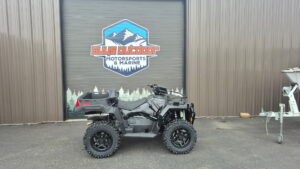
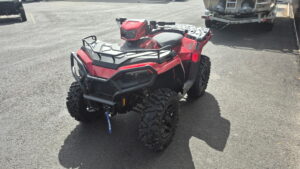
ATV financing typically works like a standard installment loan: you borrow a set amount, pay it back over a fixed term (usually 36 to 72 months), and pay interest based on your credit score, the loan amount, and the lender. New ATVs generally qualify for better rates than used ones, and a larger down payment — often 10% to 20% — can meaningfully lower your monthly payment and total interest paid.
Before applying, it helps to know your credit score range, decide on a realistic budget, and browse the models you’re actually interested in so you’re financing a number you understand rather than a rough estimate. You can start by browsing the current ATV inventory to get a sense of real pricing before you talk numbers with a lender.
Motorcycle Loan Options for Street and Trail Bikes
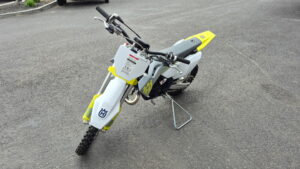
A motorcycle loan follows similar principles to ATV financing but often comes with its own rate tiers, since lenders treat motorcycles as a distinct vehicle category. Loan terms commonly range from 36 to 84 months, and riders with strong credit can often secure promotional financing on new models, especially during seasonal sales events.
One thing many first-time buyers overlook: the total loan amount usually needs to include tax, title, registration, and any protection plans, not just the sticker price of the bike. Getting a clear, itemized breakdown before you finalize anything prevents payment shock later. If you’re comparing street bikes, cruisers, or dirt-capable models, it’s worth reviewing the dealership’s motorcycle inventory so your loan request matches a real machine and price point.
UTV Payment Plans: Structuring Payments That Fit Your Budget
UTVs and side-by-sides tend to carry higher price tags than ATVs, which makes flexible UTV payment plans especially important. Many buyers stretch loan terms to keep monthly payments manageable, but a longer term also means paying more interest overall — so it’s worth running the numbers both ways before deciding.
Some lenders also offer seasonal or deferred payment plans for UTVs, which can be useful if you’re buying in the off-season and want lower payments until riding season starts. Ask specifically about these options, since they aren’t always advertised upfront. Comparing a few different UTV and side-by-side models in the UTV inventory can help you settle on a price range before structuring a payment plan around it.
Completing a Powersports Credit Application the Right Way
A powersports credit application usually asks for your income, employment history, housing costs, and existing debts, in addition to a standard credit check. Being accurate and thorough here matters — incomplete applications get delayed, and inconsistent information can trigger a manual review that slows everything down.
A few things that help your application move faster: having proof of income ready, knowing your approximate credit score beforehand, and being honest about your existing monthly obligations rather than rounding down. Many dealerships now offer a pre-qualification step that checks your eligibility with a soft credit pull before you commit to a hard inquiry, which is a smart way to shop rates without affecting your score. You can get pre-qualified online in just a few minutes before you ever step foot in the showroom.
Guy’s Outdoor Financing Lewiston: Local Support You Can Trust
Working with a local dealership for financing has real advantages over big-box or online-only lenders. Guy’s Outdoor financing in Lewiston connects buyers with multiple lending partners, which means more flexibility for people with varied credit backgrounds — not just those with perfect credit scores. A local finance team can also walk you through term options, explain protection plans in plain language, and answer questions specific to Idaho registration and taxes.
Because the process happens in-house, approvals and paperwork tend to move faster than shopping loans independently through several banks. When you’re ready to move forward, you can complete the full powersports credit application directly online and get a response without waiting for a callback.
Trade-Ins, Down Payments, and Lowering Your Loan Amount
One of the most effective ways to reduce your loan amount — and your monthly payment — is applying a trade-in or a solid down payment toward your purchase. Trading in an older ATV, motorcycle, or UTV can significantly cut down what you need to finance, and it often simplifies the paperwork since the trade value applies directly at the point of sale rather than requiring a separate private sale.
Even if you’re not sure your current vehicle qualifies, it’s worth checking before you finalize your loan terms, since trade-in offers vary based on condition, mileage or hours, and current demand. You can get a quick estimate by requesting to value your trade before you sit down to finalize financing.
Tips to Get Approved and Secure the Best Rate
A few practical habits can make a real difference in both approval odds and the rate you’re offered:
- Check your credit report first so there are no surprises during underwriting.
- Save for a down payment, even a modest one, to reduce total interest.
- Avoid opening new credit accounts in the weeks before applying, since new inquiries can temporarily lower your score.
- Compare loan terms, not just monthly payments — a lower payment over a longer term can cost more overall.
- Ask about seasonal promotions, since manufacturers and dealers often run 0% APR or reduced-rate offers during off-peak months.
Taking these steps before you apply puts you in a stronger position to negotiate and helps you avoid financing terms that don’t actually fit your budget.
FAQ: Powersports Financing Questions Answered
What credit score do I need for powersports financing?
Most lenders prefer a score of 650 or higher for the best rates, but approvals are often available for lower scores with a larger down payment or a co-signer.
Can I finance a used ATV, motorcycle, or UTV?
Yes, most lenders finance used powersports vehicles, though interest rates are typically a bit higher than for new models, and some lenders set age or mileage limits.
How much down payment is typically required?
Down payments often range from 0% to 20% depending on your credit profile, the vehicle’s price, and the lender’s requirements. A larger down payment generally results in a lower monthly payment.
Does getting pre-qualified affect my credit score?
Pre-qualification usually involves a soft credit check, which doesn’t impact your score. A hard inquiry only happens once you formally submit a full credit application.
Can I include accessories or gear in my powersports loan?
Many dealerships allow you to roll accessories, protective gear, or extended service plans into the total loan amount, though this increases what you finance and repay over time.
How long does approval usually take?
Online pre-qualification can return results within minutes, while a full credit application with a specific vehicle attached is often approved within the same business day.