
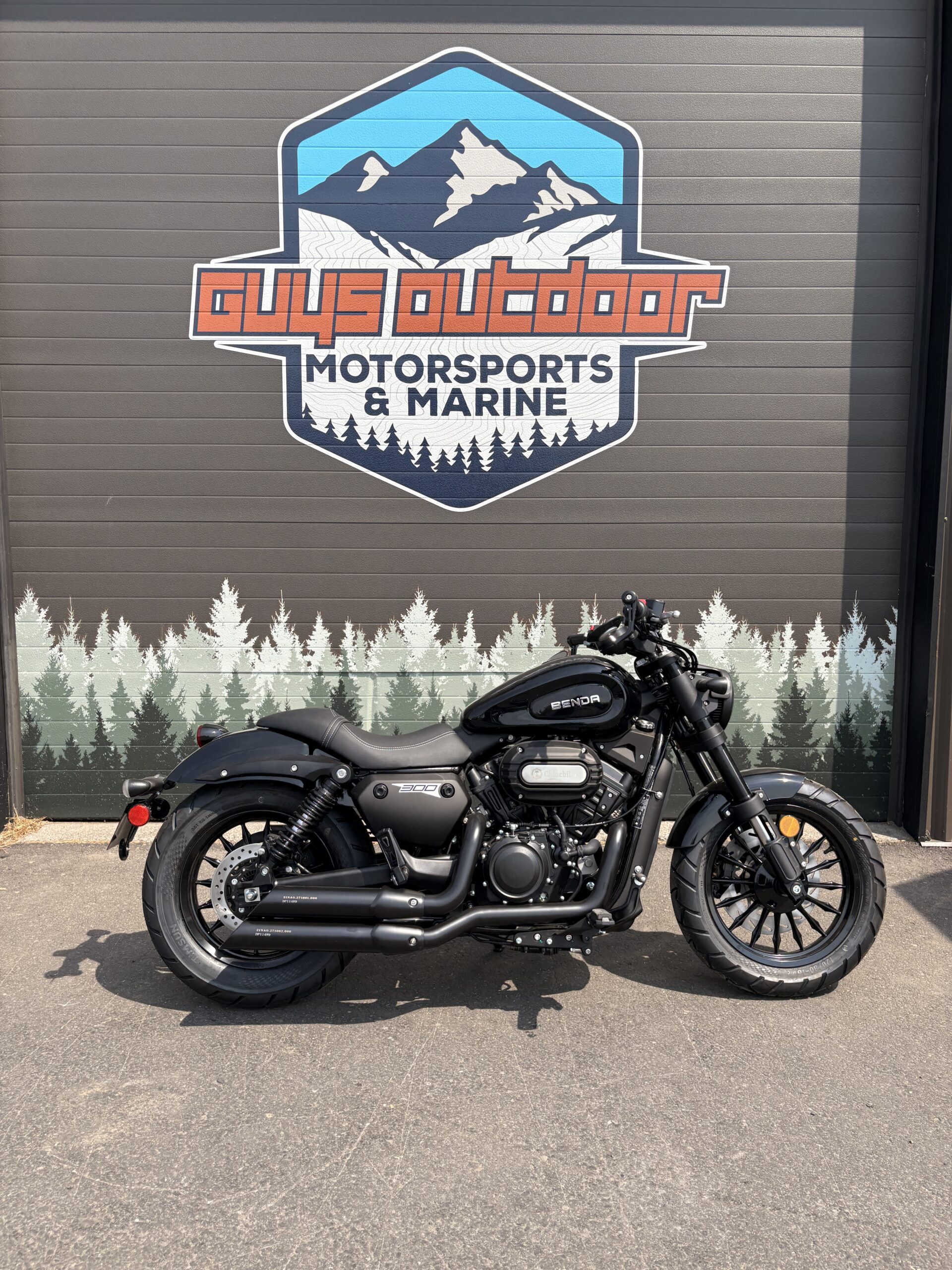
There’s a particular kind of freedom you feel the first time you take a motorcycle out on a backroad near the Sawtooths, with the wind cutting past you and nothing but open highway ahead. It’s one of the reasons so many people fall in love with riding in this state. But that freedom comes with responsibility, and the single biggest factor in whether a rider walks away from a bad moment on the road is what they were wearing when it happened. That’s exactly why having a solid motorcycle safety gear checklist matters so much, whether you’ve been riding for twenty years or you just picked up your first bike this spring.
This guide walks through everything an Idaho rider should think about before throwing a leg over the seat — from head to boots, and from state law to real-world riding conditions. We’ll cover helmets, jackets, gloves, pants, boots, and a handful of extras that experienced riders swear by but new riders often overlook. At Guys Outdoor, we spend a lot of time talking to riders across the state about what actually keeps them safe on the road, and this checklist reflects those conversations.
Why a Motorcycle Safety Gear Checklist Actually Matters
It’s tempting to think of gear as optional, especially on a warm summer evening when a t-shirt feels more appealing than a riding jacket. But motorcycle crashes are unforgiving in a way that car accidents usually aren’t. There’s no metal frame absorbing the impact, no airbag, no seatbelt. Your gear is your protection.
A well-thought-out motorcycle safety gear checklist isn’t about buying the most expensive equipment on the shelf. It’s about understanding what each piece of gear does, why it matters, and how to choose items that actually fit your body and your riding style. Idaho’s terrain and weather add another layer to this — a rider heading up into the mountains near McCall faces very different conditions than someone cruising through Boise on a July afternoon.
Idaho Motorcycle Laws Every Rider Should Know
Before we get into the gear itself, it helps to understand the legal baseline. Idaho motorcycle laws are more relaxed than many states, which actually puts more responsibility on the rider to make smart choices.
Here’s what current Idaho law requires:
- Riders and passengers under 18 years old must wear a DOT-approved helmet.
- Riders 18 and older are not legally required to wear a helmet, though it’s strongly recommended by safety organizations and law enforcement alike.
- Eye protection is required unless the motorcycle has a windscreen.
- Motorcycles must have a working headlight on at all times, even during daylight hours.
- Handlebars cannot be positioned higher than the rider’s shoulders when seated.
Because helmet use isn’t mandatory for adult riders, many people assume it’s optional in a more casual sense too. In practice, the data tells a different story. Riders who choose to wear a helmet dramatically improve their odds of surviving a serious crash, and that single decision often shapes what the rest of a rider’s gear checklist looks like.
Building Your Motorcycle Safety Gear Checklist: Head to Toe
1. The Motorcycle Helmet
If there’s one item on this list that deserves the most attention, it’s the helmet. A good motorcycle helmet guide starts with understanding the three main styles available:
- Full-face helmets offer the most complete protection, covering the chin and jaw along with the rest of the head. These are the go-to choice for highway riding and are especially popular among Idaho riders who spend time on interstate stretches like I-84 or I-15.
- Modular helmets function like full-face helmets but include a flip-up chin bar, giving riders flexibility for quick stops without fully removing the helmet.
- Open-face and half helmets provide less coverage and are generally considered a compromise choice, better suited to short, low-speed rides than serious touring.
When choosing a helmet, look for DOT certification at minimum, and consider Snell or ECE certification for an added layer of confidence. Fit matters just as much as certification — a helmet that’s too loose can shift during impact, while one that’s too tight causes pressure headaches on longer rides. Try helmets on in person when possible, and replace any helmet that’s been in a crash, even if it looks undamaged on the outside.
2. The Riding Jacket
A quality riding jacket does far more than look good in photos. It protects your skin from road rash, shields you from wind chill on cooler Idaho mornings, and often includes armor at the shoulders and elbows for impact protection.
There are a few main categories worth knowing:
- Leather jackets remain a favorite for their abrasion resistance and classic look, though they can run warm in summer heat.
- Textile jackets are typically more breathable and often include waterproofing, making them a smart pick for riders dealing with Idaho’s unpredictable spring and fall weather.
- Mesh jackets are built for hot-weather riding, offering airflow while still providing some abrasion resistance and armor pockets.
Look for CE-rated armor in the shoulders and elbows, and consider a jacket with a removable liner so it can adapt across seasons. This flexibility matters a lot in a state where you might ride through a 40-degree morning and a 90-degree afternoon on the same day.
3. Motorcycle Gloves
It’s easy to underestimate how much your hands do while riding, and how exposed they are in a fall. Motorcycle gloves protect against road rash, improve grip control, and shield your hands from wind and cold.
For everyday riding, look for gloves with:
- Reinforced palms for abrasion resistance
- Knuckle protection, either hard armor or padded reinforcement
- A snug fit that still allows full finger movement for clutch and brake control
- Weather-appropriate material — mesh or perforated leather for summer, insulated leather or textile for cooler months
Many new riders skip gloves on short trips around town, but a surprising number of hand injuries happen during low-speed drops in parking lots or driveways. Making gloves a non-negotiable part of your motorcycle safety gear checklist protects you even on the rides that feel routine.
4. Riding Pants
Jeans might feel like enough, but standard denim offers very little abrasion resistance in a slide. Dedicated riding pants, whether leather, textile, or reinforced riding jeans with aramid fiber lining, hold up dramatically better in a fall.
Look for:
- Armor pockets at the knees and hips
- Abrasion-resistant material rated for sliding impact
- A comfortable fit that doesn’t restrict movement on the bike
Riding jeans have become popular among commuters because they look like everyday denim while offering real protection underneath — a good middle ground for riders who want gear that doesn’t feel like a costume.
5. Motorcycle Boots
Ankles and feet are especially vulnerable in a crash, and standard sneakers offer almost no protection. Motorcycle-specific boots provide ankle support, oil-resistant soles for better grip, and reinforced toe boxes.
For Idaho riders, consider:
- Waterproof boots for wet spring rides
- Sturdy ankle support for gravel or backroad riding common in more rural parts of the state
- A non-slip sole for confident footing at stops
6. Eye and Face Protection
Since Idaho law requires eye protection unless your bike has a windscreen, a good pair of riding glasses or a helmet visor isn’t optional gear — it’s a legal requirement for many riders. Beyond the legal angle, eye protection keeps dust, insects, and debris from becoming a dangerous distraction at speed.
Motorcycle Gear for Beginners: What to Prioritize First
If you’re just getting started and building out your kit piece by piece, it helps to know where to focus first. Good motorcycle gear for beginners usually follows this order of priority:
- Helmet — always the first purchase, no exceptions.
- Gloves — inexpensive relative to other gear, and protect an area that’s injured often.
- Riding jacket — especially one with armor, for both crash protection and weather comfort.
- Boots — ankle protection matters from day one, not just on long rides.
- Riding pants — often the last piece added, but worth prioritizing sooner rather than later.
New riders sometimes assume they’ll “gear up properly” once they’ve been riding a while. In reality, the earliest rides — when your instincts and reflexes are still developing — are often when protective gear matters most.
Riding Safety Tips Beyond Gear
Gear is only one half of the safety equation. These riding safety tips work alongside your equipment to keep you safer on Idaho roads:
- Take a motorcycle safety course, even if you’ve ridden before. Idaho offers rider training programs that cover both new and returning riders.
- Check tire pressure and tread before every longer ride, especially before mountain routes with elevation changes.
- Be extra cautious around dawn and dusk, when wildlife activity increases on rural Idaho roads.
- Layer your gear for temperature swings, particularly in shoulder seasons when mornings and afternoons can differ by 30 degrees or more.
- Stay visible with reflective elements on your jacket or helmet, especially if you ride during low-light hours.
- Maintain following distance, since motorcycles need more room to react than most drivers expect.
Seasonal Gear Considerations for Idaho Riding
Idaho’s riding season stretches from early spring through late fall for most riders, with conditions shifting significantly along the way. Spring often brings wet roads and unpredictable temperature swings, making waterproof textile jackets and gloves a smart choice. Summer heat, especially in the Treasure Valley, calls for mesh gear that keeps airflow moving without sacrificing protection. By fall, temperatures drop again, and layering becomes the name of the game — a base layer, insulated jacket liner, and wind-resistant outer shell can keep a ride comfortable well into October.
Riders who head up into higher elevations, like the mountain roads around Sun Valley or the passes near Coeur d’Alene, should always pack for colder conditions than what they experience at the trailhead, since temperatures can drop noticeably with elevation gain.
Key Takeaways
- A complete motorcycle safety gear checklist includes a certified helmet, riding jacket, gloves, pants, boots, and eye protection.
- Idaho only requires helmets for riders under 18, but wearing one is strongly recommended for riders of every age.
- Full-face helmets offer the most protection, especially for highway riding.
- Textile and mesh jackets adapt well to Idaho’s shifting seasonal weather.
- Gloves and boots protect commonly injured areas and should never be skipped, even on short rides.
- New riders should prioritize a helmet, gloves, and jacket first, then build out the rest of their kit.
- Seasonal layering matters in Idaho, where temperature swings can be significant within a single day.
Conclusion
Building out a proper motorcycle safety gear checklist isn’t about following a trend or spending more than necessary — it’s about making sure every ride ends the way it should. Idaho’s roads offer some of the best riding in the country, from open highways to winding mountain routes, but that beauty comes with real risk if you’re not properly geared up. Taking the time to choose the right helmet, jacket, gloves, boots, and pants, and understanding how Idaho’s laws and seasons affect your choices, sets you up to enjoy those rides for years to come. The team at Guys Outdoor is always happy to help riders work through their gear choices, whether you’re outfitting your first bike or upgrading gear you’ve had for years.
FAQs
What should be on a basic motorcycle safety gear checklist?
A basic checklist includes a DOT-certified helmet, a riding jacket with armor, motorcycle gloves, riding pants, over-the-ankle boots, and eye protection. These six items cover the most commonly injured areas in a crash.
Is a helmet legally required for motorcycle riders in Idaho?
Idaho law only requires helmets for riders and passengers under 18. Riders 18 and older can legally ride without one, though safety experts strongly recommend wearing a DOT-approved helmet regardless of age.
What type of jacket is best for riding in Idaho’s changing weather?
A textile riding jacket with a removable liner tends to work best for Idaho, since it can adapt to cold mornings, warm afternoons, and unexpected spring rain without needing a full gear swap.
Do beginner riders need different gear than experienced riders?
The core gear checklist stays the same for beginners and experienced riders alike. New riders should prioritize a helmet, gloves, and jacket first, then add boots and riding pants as their kit grows.
How often should motorcycle gear, especially helmets, be replaced?
Helmets should be replaced after any crash impact, regardless of visible damage, and generally every five to seven years due to material breakdown over time. Jackets, gloves, and boots should be replaced when padding compresses, seams weaken, or protective armor shows visible wear.