
If you’re shopping for your next off-road machine, the 2 seat vs crew side-by-side decision is probably the first fork in the road you’ll hit. It sounds like a simple question — how many seats do you need? — but it actually touches almost everything about how the machine will fit into your life, from trail width to garage space to whether your kids can tag along on Saturday rides. At Guys Outdoor, we talk to riders every week who are stuck on exactly this choice, and the right answer almost always comes down to how the machine will actually be used, not just how many people might someday ride in it.
This guide walks through the real differences between two-seat and crew models, where each one shines, and how to think through the decision so you don’t end up second-guessing your purchase six months later.
What’s the Real Difference Between a 2-Seat and Crew Side-by-Side?
At the most basic level, a two-seat Side x Side is built around a single bench or two bucket seats and a shorter wheelbase, while a crew model stretches the frame to add a second row, typically bringing total seating to four (sometimes six on extended platforms). But the difference goes deeper than seat count.
A crew side-by-side isn’t just a two-seater with extra chairs bolted on. Manufacturers redesign the chassis, suspension geometry, and often the drivetrain to handle the added length and weight. That means the two styles behave differently on tight trails, in deep mud, and when you’re hauling gear.
Two-seat machines tend to be:
- Shorter and more nimble on tight, technical trails
- Lighter, which can help with fuel efficiency and easier trailering
- Simpler mechanically, with fewer components to maintain
- Better suited to solo riders, couples, or work tasks where cargo space matters more than passenger space
Crew models tend to be:
- Longer, with a wider turning radius
- Heavier, which can affect climbing and technical maneuvering
- Built with a second row of seating, roll cage extension, and often a larger fuel tank
- A natural fit for groups, families, and ranch or property work where extra hands need to ride along
Who Actually Needs a Crew Side-by-Side?
This is the question that matters more than spec sheets. A crew rig makes sense when passengers are a regular, not occasional, part of your riding life.
Think about how often you actually ride with more than one other person. If weekend trail rides usually involve you, a spouse, and maybe one or two kids or friends, a crew machine solves a real logistics problem — no convoy of two machines, no arguing over who rides shotgun. This is where the family UTV conversation usually starts, and it’s a legitimate reason to size up.
Property owners and ranchers also lean toward crew models because extra seating means extra hands for fencing, feeding, or general chores without needing a second vehicle. If you regularly move people, not just gear, across your land, the crew layout earns its keep fast.
On the other hand, if your rides are mostly solo, with an occasional passenger, a two-seat model with a cargo bed or rack will likely serve you better and cost less to own over time.
Capability and Trail Performance: Does Seat Count Change How It Rides?
Yes, and this is where a lot of buyers get surprised. A longer wheelbase changes how a machine handles switchbacks, rock gardens, and tight forest trails. Crew models generally require more room to turn and can feel less agile in technical terrain, especially on trails originally cut for narrower two-seat machines.
That said, manufacturers have gotten much better at tuning suspension and drivetrains to compensate. Many crew platforms, including several Polaris ORV models, use extended long-travel suspension specifically engineered to keep ride quality smooth over the extra length, rather than simply stretching an existing frame.
If your riding is dominated by tight single-track or technical rock crawling, a two-seat machine will usually feel more planted and easier to place. If your terrain is more open trail, ranch roads, or mixed-use riding where passenger comfort matters as much as agility, the crew layout won’t hold you back nearly as much as people assume.
Storage, Cargo, and Everyday Utility
Cargo capacity is one of the most overlooked factors in this decision. Two-seat models typically have a larger dedicated cargo bed relative to the vehicle’s overall footprint, since there’s no second row eating into that space. That makes them a strong choice for hunting, hauling firewood, or general property work where bed space matters more than passenger count.
Crew models redistribute that space. You gain passenger capacity, but cargo beds are often shorter or more compact, since a portion of the frame that would otherwise be bed space is now second-row seating. Some crew machines partially offset this with under-seat storage or fold-down rear seats that expand into cargo room when passengers aren’t riding.
If you frequently haul large loads — think full-size coolers, camping gear, or fencing materials — measure actual bed dimensions rather than assuming a bigger machine automatically means more room. It often doesn’t.
Comfort, Long Rides, and Passenger Experience
For anyone doing multi-hour trail rides or all-day property work, comfort adds up fast. Crew models generally offer a smoother ride for rear passengers thanks to the way suspension travel is tuned across the longer wheelbase, and there’s simply more room to stretch out on longer outings.
Two-seat machines put everyone up front, closer to the action, which many riders actually prefer for the more connected, sportier feel. If you’re buying primarily for recreational trail riding rather than utility work, that front-seat experience is worth test-driving before you decide.
Noise, dust exposure, and visibility also shift depending on seating position, so if possible, ride in both configurations before committing. What reads well on a spec sheet doesn’t always match how a machine actually feels with real passengers on real terrain.
Maintenance, Longevity, and Ownership Costs
A longer, heavier machine generally means more components working under load — a bigger frame, more suspension parts, additional seating hardware, and often a beefier drivetrain to move the extra weight. That doesn’t mean crew models are unreliable; it means there’s simply more machine to maintain over its lifespan.
Two-seat models tend to have lower long-term maintenance demands purely because there’s less structure and fewer moving parts. For buyers prioritizing simplicity and lower upkeep, that’s a meaningful advantage.
Fuel and general wear also trend slightly higher on crew platforms due to added weight, though this varies by engine size and how the machine is used. If you’re comparing a Polaris Ranger Crew review against a standard two-seat Ranger, you’ll typically see this reflected in slightly different published fuel economy and payload figures between the two configurations.
Storage Space and Trailering Considerations
Don’t overlook the practical side of ownership: where the machine lives and how it gets to the trail. Crew models are longer overall, which means they need more garage or shed space and may require a longer trailer than what you currently own. If you’re upgrading from a two-seat to a 4-seater side-by-side, double-check your trailer’s bed length before you buy — this is one of the most common surprises new crew owners run into.
Towing weight also increases with a crew platform, which may mean reassessing your tow vehicle’s capacity, especially if you’re already close to its rated limit with your current setup.
Making the Decision: Questions to Ask Yourself
Rather than starting with “how many seats,” it helps to work backward from how you actually ride:
- How often do you ride with more than one passenger? Occasional guests don’t justify the switch; regular riding partners often do.
- What’s your primary terrain? Tight, technical trails favor two-seat agility; open trail and ranch work tolerate the crew footprint better.
- Do you need cargo space or passenger space more? Be honest about which one gets used more often.
- What’s your storage and trailering setup? Confirm the longer footprint actually fits your logistics before falling in love with a model.
- Is this a work machine, recreation machine, or both? Crew models often win for mixed-use property work; two-seat models often win for pure recreation.
If you’re weighing a specific crew cab UTV comparison between models, write these answers down first. It keeps the decision grounded in your actual use case instead of getting swayed by whichever machine looks best in the showroom.
Two-Seat vs Crew: A Quick Mental Framework
Here’s a simple way to frame it. A two-seat side-by-side is the better tool when agility, simplicity, and cargo space matter most, and passengers are the exception rather than the rule. A crew side-by-side is the better tool when passengers are a regular part of your riding life, whether that’s family trail days or extra hands needed for property work.
Neither option is objectively “better” — they’re built to solve different problems. The best UTV for families is rarely the flashiest model on the lot; it’s the one that matches your actual weekly use, not your best-case scenario.
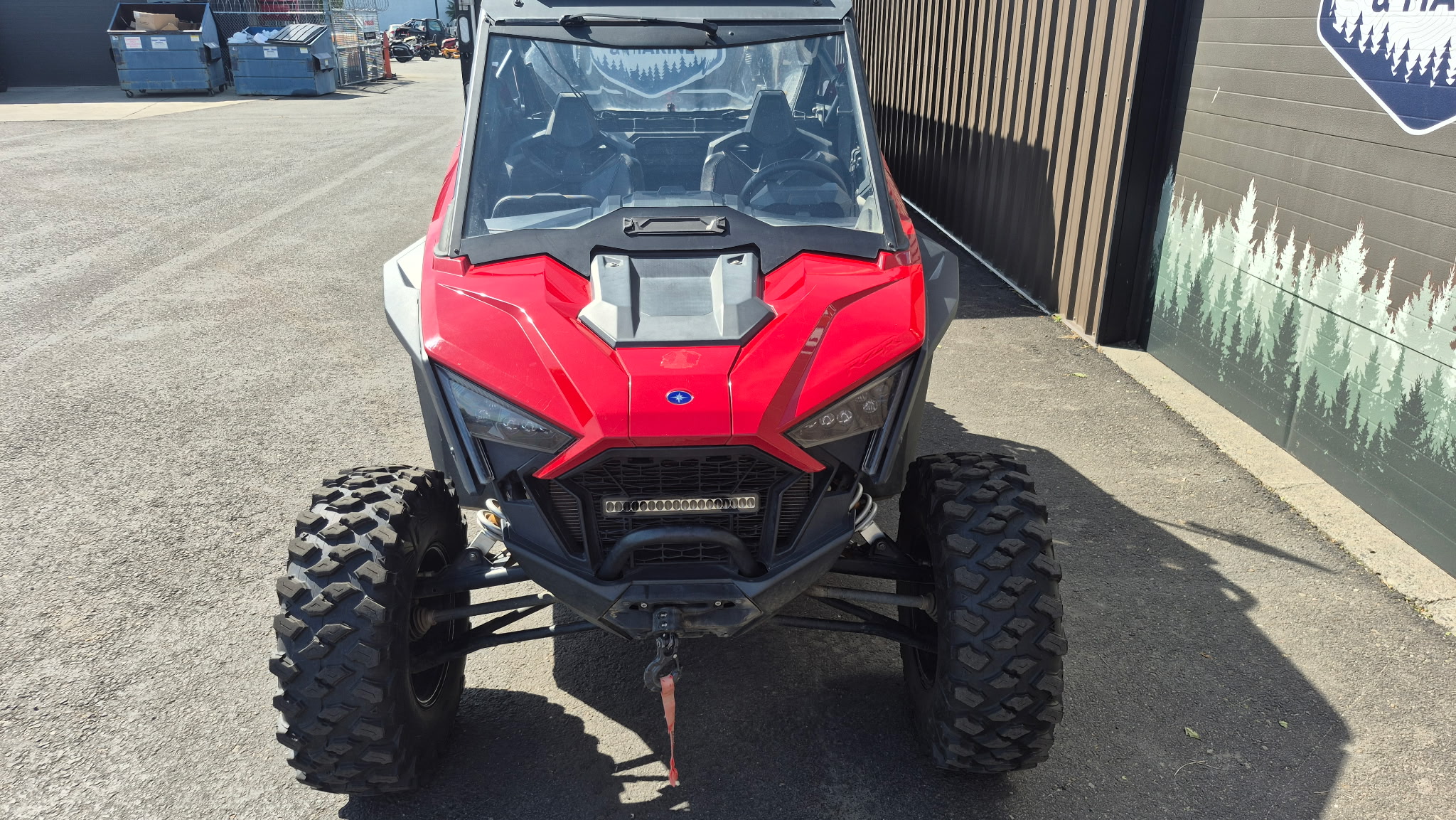
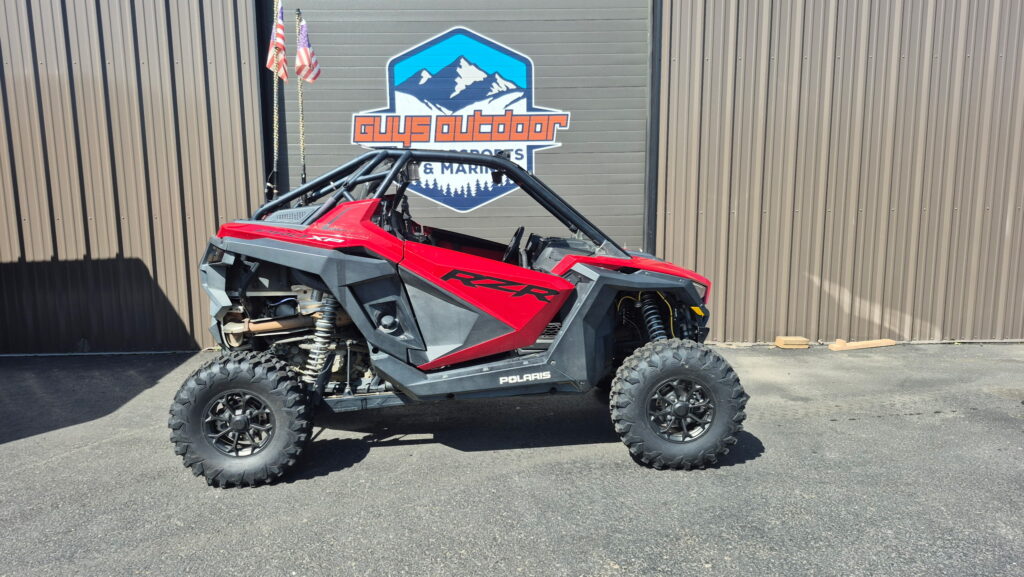
It’s also worth noting that within either category, trims vary widely. A performance-oriented two-seat machine, like something out of the Polaris RZR lineup, is tuned very differently from a utility-focused two-seater, even though both technically fall into the “2-seat” bucket. The same logic applies on the crew side — utility-focused crew models and sport-focused crew models handle very differently despite sharing a seating layout.
Key Takeaways
- Crew side-by-sides add a second row and extended wheelbase, which changes handling, cargo space, and maintenance needs compared to two-seat models.
- Two-seat machines generally offer better agility on tight trails, larger relative cargo space, and simpler long-term maintenance.
- Crew models make the most sense when passengers are a regular, recurring part of your riding — not just an occasional add-on.
- Cargo capacity often shrinks on crew platforms since part of the frame goes to seating instead of bed space.
- Confirm garage and trailer dimensions before upgrading to a crew model, since the added length is a common surprise for new owners.
- Test-ride both configurations if possible; spec sheets don’t fully capture how each layout feels with real passengers and real terrain.
Conclusion
There’s no universal right answer in the 2 seat vs crew side-by-side debate — only the answer that fits how you actually ride, work, and travel. If your trips are mostly solo or with one regular passenger, and you value agility and cargo room, a two-seat machine will likely serve you well for years. If you’re regularly loading up family or crew members and need everyone in one vehicle, the extra length and weight of a crew model is a fair trade for the convenience it delivers.
Take the time to think through your terrain, your passenger habits, and your storage setup before deciding. And if you’re still torn between specific models, the team at Guys Outdoor is always glad to talk through real-world trail experience with both layouts so you can buy with confidence instead of guesswork.
FAQs
Is a crew side-by-side harder to drive than a 2-seat model?
Not harder, but different. Crew models have a longer wheelbase and wider turning radius, so they require more space to maneuver on tight trails. Most riders adjust quickly, especially on open or moderately technical terrain.
Can a 2-seat side-by-side be converted into a crew model?
Generally, no. Crew platforms use a different frame, roll cage, and suspension tuning designed for the added length and weight, so this isn’t a simple aftermarket conversion in most cases.
Do crew side-by-sides have less cargo space than 2-seat models?
Often, yes. Since part of the frame is used for the second row of seating, crew models typically have a shorter cargo bed than a comparable two-seat machine, though some offset this with fold-down rear seating.
What’s the best side-by-side option for families with young kids?
A crew model is usually the better fit for families riding together regularly, since it keeps everyone in one vehicle and offers more stable rear-seat comfort for passengers on longer rides.
Do I need a bigger trailer for a crew side-by-side?
Possibly. Crew models are longer overall, so it’s worth measuring your trailer’s bed length and checking your tow vehicle’s capacity before upgrading from a two-seat machine.